
July Pet Travel Safety Tips for Greenville Dog and Cat Owners

July Pet Travel Safety Tips for Greenville Dog and Cat Owners
Planning a summer getaway with your dog or cat can be one of the highlights of the season, but July’s soaring temperatures in Greenville bring unique challenges for traveling pet owners. Whether you’re heading to the mountains, planning a beach trip, or staying close to home around Mauldin, Simpsonville, or Five Forks, it’s essential to prioritize your pet’s comfort, health, and safety on the road. At Furwell at Barkingham, conveniently located at 1240 E Butler Rd, Greenville, SC 29607, our veterinary team understands the excitement and the worries that come with summer travel plans. In this comprehensive guide, we’ll discuss key travel safety tips for both dogs and cats, from recognizing heat-related risks to preparing for emergencies. You’ll also learn how scheduling a comprehensive physical exam or wellness consultation can help ensure your pet is ready for adventure.
Recognizing Summer Travel Risks for Dogs and Cats
Before you hit the road, it’s important to recognize the potential dangers that July’s heat and travel can pose to your pet. Signs that your dog or cat may be struggling with travel or heat stress include excessive panting, drooling, restlessness, or a reluctance to move. Cats, in particular, may hide or vocalize more than usual when stressed, while dogs might pace or seem unable to settle in the car. If you notice your pet breathing rapidly, showing red or pale gums, vomiting, or exhibiting weakness, these can be warning signs of heat exhaustion or even heatstroke. For some pets, especially brachycephalic breeds such as Bulldogs or Persians, travel can be even more stressful due to their unique respiratory needs.
Additionally, travel anxiety is quite common among cats and many dogs. Symptoms of stress may include vocalizing, trembling, inappropriate urination, or refusing food and water. Recognizing these behaviors early allows you to intervene and keep your pet comfortable and safe during your journey.
Why Do Travel Issues Worsen in July’s Heat?
July in Greenville brings high humidity and hot daytime temperatures, which can quickly raise the temperature inside your vehicle. Even with the windows cracked or the air conditioning running, cars can become dangerously hot within minutes. Pets are far more sensitive to heat than people; dogs and cats don’t sweat the way we do and rely mostly on panting to cool themselves. This makes them especially vulnerable to overheating.
Long car rides can be stressful, particularly if your pet is unaccustomed to travel. The combination of motion, unfamiliar environments, and reduced access to water can lead to dehydration, gastrointestinal upset, or anxiety. Cats are especially sensitive to changes in environment and routine, while dogs may become restless or overly excited. Environmental allergens, new foods, and exposure to unfamiliar parasites are also more likely when traveling, which is why pre-trip veterinary checkups and up-to-date vaccinations are important.
Preparing Your Pet for Safe Summer Travel
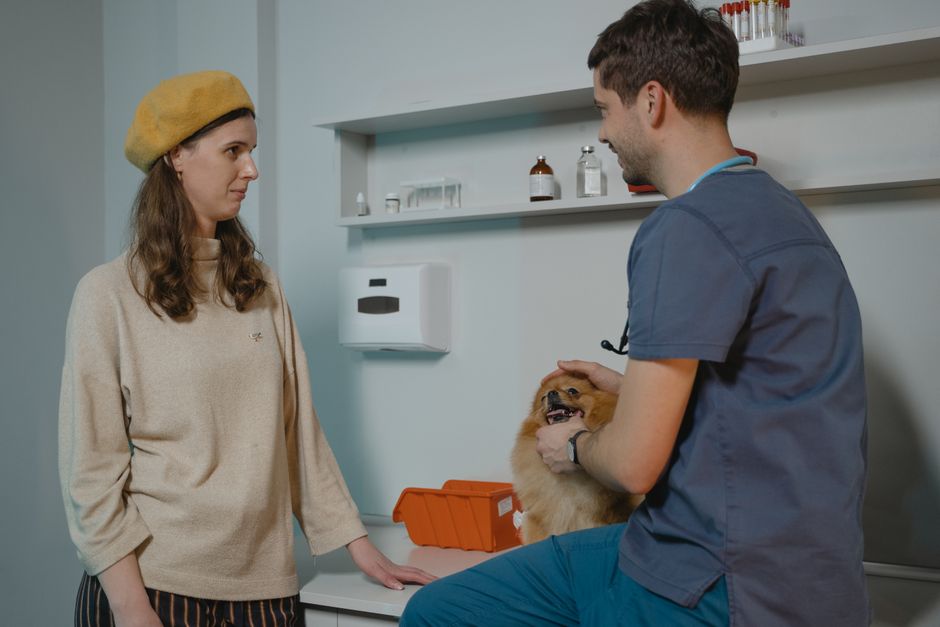
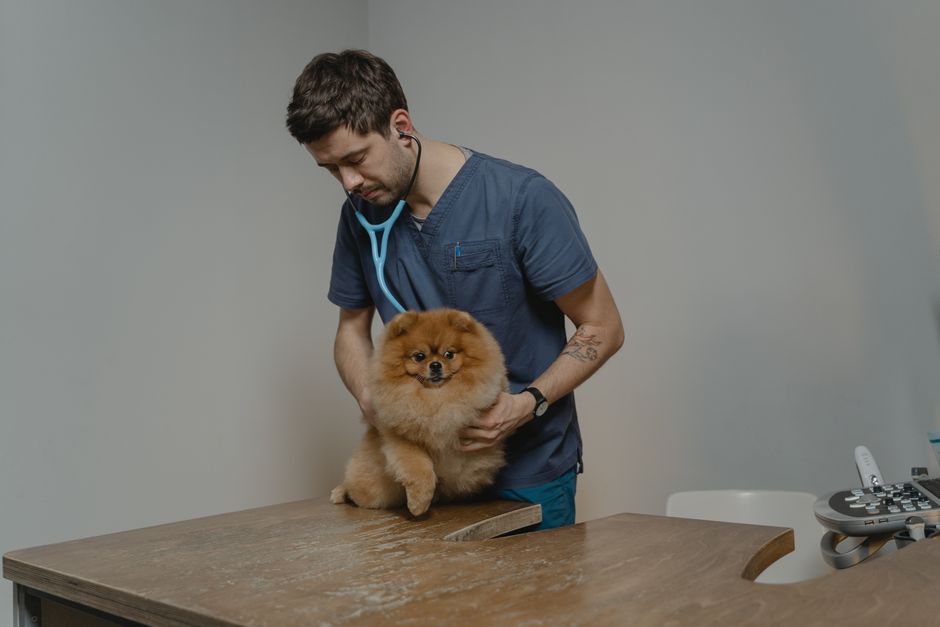
A successful trip starts with preparation. Before your journey, schedule a comprehensive physical exam at Furwell at Barkingham. Our veterinarians can assess your pet’s overall health, update required vaccinations, and recommend preventive medications for fleas, ticks, and heartworm, which are especially important during summer. For pets with ongoing medical conditions, such as diabetes or heart disease, an exam ensures they’re stable enough for travel.
If your dog or cat gets anxious in the car or during new experiences, discuss behavior management strategies with our veterinary team. Some pets benefit from pheromone sprays, anxiety-reducing supplements, or prescription medications. Cats often travel best in sturdy carriers lined with familiar bedding, while dogs may feel more secure in a harness or crate. Always bring a copy of your pet’s medical records, up-to-date identification tags, and consider having your pet microchipped for added peace of mind. Our microchipping services can help reunite you with your pet if you get separated during your trip.
Additionally, be sure to pack your pet’s regular food, fresh water, medications, and comfort items such as toys or blankets. Avoid feeding your pet a large meal right before traveling to minimize the risk of motion sickness. Plan for frequent breaks so your dog can relieve themselves and stretch their legs; for cats, use a secure carrier and bring a portable litter box for longer trips.
Keeping Pets Cool and Hydrated on the Road
One of the biggest challenges of summer travel is managing the heat. To keep your dog or cat safe, never leave them unattended in a parked vehicle, even for a short time. The temperature inside a car can rise dramatically, putting your pet at risk of heatstroke or even death. Always travel with the air conditioning on and ensure your pet has access to fresh, cool water throughout your journey.
Signs of dehydration in pets include sunken eyes, dry gums, lethargy, and reduced skin elasticity. Encourage your pet to drink by offering water at regular intervals, and consider carrying a collapsible bowl for convenience. For longer car rides, plan your route with pet-friendly rest stops where dogs can walk in shaded areas. Cats may benefit from a cool, damp towel placed in their carrier or a pet-safe cooling mat.
If your destination includes outdoor activities, always provide shaded areas and avoid walking your dog on hot pavement, which can burn sensitive paw pads. Early morning or late evening are the safest times for exercise in July. For cats who venture outdoors once you arrive, supervise closely and limit their time outside during peak heat.
Addressing Pet Anxiety and Motion Sickness
Travel can be especially stressful for some dogs and cats. Signs of anxiety or motion sickness include drooling, whining, vomiting, or excessive grooming (in cats). To help your pet adjust, start with short car rides before your trip and gradually increase the duration. Reward calm behavior with treats and praise to create positive associations with the car.
If your pet continues to show signs of distress, speak with our veterinary team about safe options for reducing anxiety or motion sickness. Over-the-counter remedies, prescription medications, or natural supplements may be appropriate depending on your pet’s needs. Never give your pet human medications without veterinary guidance, as some can be toxic to dogs and cats.
Preventing Parasites and Illness While Traveling
Summer travel can expose your pet to new environments and unfamiliar risks. Fleas, ticks, and mosquitoes are common in July and can transmit diseases such as heartworm, Lyme disease, and ehrlichiosis. Before traveling, ensure your dog or cat is current on parasite prevention. Our heartworm testing services and recommendations for year-round prevention can help safeguard your pet against these threats.
Additionally, bring your pet’s vaccination records and ensure all immunizations are up to date, especially if you’ll be boarding, flying, or staying in pet-friendly hotels. If your dog or cat has known allergies or is prone to skin issues, a visit to discuss allergy testing or management strategies can make your trip more comfortable for everyone.
When to Seek Veterinary Care During Travel
Even the best-laid plans can encounter unexpected issues on the road. If your pet exhibits signs of heatstroke, such as excessive panting, drooling, vomiting, collapse, or unresponsiveness, seek emergency veterinary care immediately. Other urgent concerns include persistent vomiting or diarrhea, refusal to eat or drink for more than 24 hours, difficulty breathing, or any signs of injury.
Before you travel, research emergency clinics along your route and at your destination. Save their contact information in your phone, and keep a copy of your pet’s medical history handy. If you are traveling within Greenville or nearby communities, the team at Furwell at Barkingham is here to help during regular business hours. For non-urgent issues, such as mild gastrointestinal upset or minor injuries, call our veterinary professionals at (864) 458-8500 for guidance on next steps. For walk-in care, visit our practice during open hours; for ongoing health needs, schedule an appointment online or by phone.
Actionable Tips for a Safe and Enjoyable Trip
To recap, the key steps for safe pet travel in July include scheduling a pre-trip wellness exam, updating preventive care like vaccinations and parasite control, and preparing travel essentials such as water, food, identification, and comfort items. Recognize early signs of heat or travel stress, and address them promptly. Never leave your pet unattended in a vehicle, and always provide shade and hydration during outdoor activities.
For dogs and cats with medical conditions or behavioral concerns, a visit with our veterinary team can provide tailored recommendations to ensure a smooth travel experience. If you are unsure whether your pet is healthy enough for travel, our wellness tracks and comprehensive exams can help you make informed decisions.
Trust Furwell at Barkingham for Your Pet’s Travel Preparation
At Furwell at Barkingham, we’re dedicated to helping pet owners in Greenville and surrounding communities enjoy safe, memorable adventures with their dogs and cats. Our veterinary team offers complete travel preparation, from comprehensive physical exams to preventive care, microchipping, and behavior consultations. When searching for a vet near me who truly understands the needs of traveling pets, our team is always ready to support you and your companions.
If you’re planning a summer trip, now is the perfect time to schedule an appointment at our Greenville location. Call us at (864) 458-8500 to discuss your pet’s travel plans and ensure they’re healthy, happy, and ready for the road. We look forward to partnering with you for every adventure, every season.
This blog is intended for informational purposes only and should not be used as a substitute for professional veterinary advice. If your pet experiences any health concerns during travel, contact your veterinarian as soon as possible.