
How to Keep Dogs and Cats Healthy This Fall in Greenville
How to Keep Dogs and Cats Healthy This Fall in Greenville
As fall arrives in Greenville, SC, pet owners begin to notice changes in their dogs’ and cats’ routines, behavior, and health needs. Cooler weather, shifting daylight hours, and the unique challenges of autumn can all affect your pet’s well-being. Whether you are out walking your dog on a crisp November morning or cuddling with your cat as the evenings get longer, it is important to stay proactive about fall pet health. At Furwell at Barkingham, located at 1240 E Butler Rd, Greenville, SC 29607, our veterinary team is dedicated to helping your furry family members thrive through every season. This guide highlights what to watch for in the autumn months, why seasonal changes matter, and practical steps you can take to keep your dog or cat healthy, happy, and comfortable all fall long.
We will explore common fall health concerns, explain why they occur, discuss how our veterinarians can help, and share preventive tips you can use at home. If you are looking for a partner in your pet’s year-round wellness or want to schedule a comprehensive physical exam, our team in Greenville is here to support you.
Recognizing Fall Health Issues in Dogs and Cats
As temperatures drop and the environment changes, dogs and cats may begin to show signs of seasonal health issues. Key symptoms to watch for include increased scratching or licking, sneezing or coughing, changes in appetite, reluctance to exercise, and new lumps or bumps under the skin. Additionally, you may notice that your pet’s coat becomes dull, dry, or starts shedding more than usual.
Other warning signs include stiffness or limping, especially in older pets who may be affected by cooler, damp weather. Cats might hide more often or avoid using the litter box if they experience discomfort, while dogs may seem less energetic during walks or playtime. Gastrointestinal issues such as vomiting or diarrhea can also become more common as pets forage around fall leaves or encounter seasonal toxins like mushrooms and acorns.
If your pet seems out of sorts, develops a persistent cough, sneezes frequently, or displays any of the symptoms above, it is wise to take note and consider reaching out to your veterinarian for guidance.
Why Fall Brings Unique Health Risks for Pets
The autumn season in Greenville brings a mix of cooler weather, increased moisture, and a surge in allergens, all of which can impact your dog or cat’s health. As the temperatures drop, pets may spend more time indoors, increasing their exposure to indoor allergens such as dust mites, mold, and pollen that enters through open windows. Changes in humidity can dry out the skin and coat, especially in pets with sensitive skin.
Fallen leaves and decaying organic matter are breeding grounds for mold spores and fungi, which may trigger allergic reactions in susceptible pets. Outdoor walks can expose dogs to toxic mushrooms, acorns, or even antifreeze spills, all of which are more prevalent in the fall. For cats that venture outside, the risk of ingesting harmful substances or parasites increases as they explore new hiding places among leaf piles or sheds.
Shorter daylight hours and less outdoor activity can contribute to weight gain, behavioral changes, and even depression in some pets. Additionally, as holiday gatherings approach, pets may have increased access to foods that are unsafe for them, such as chocolate, grapes, and fatty table scraps.
Veterinary Treatment and Support for Fall Health Concerns
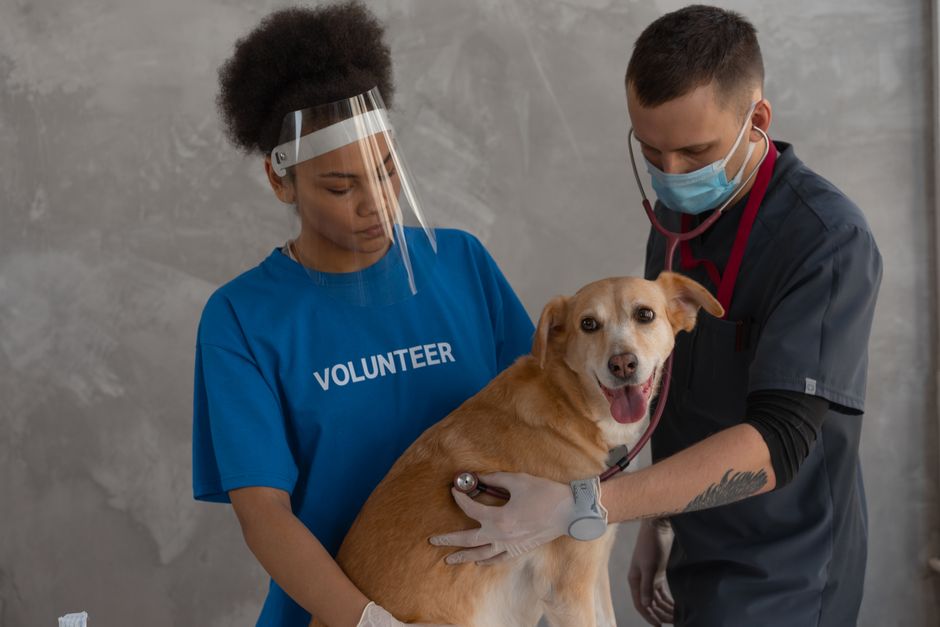
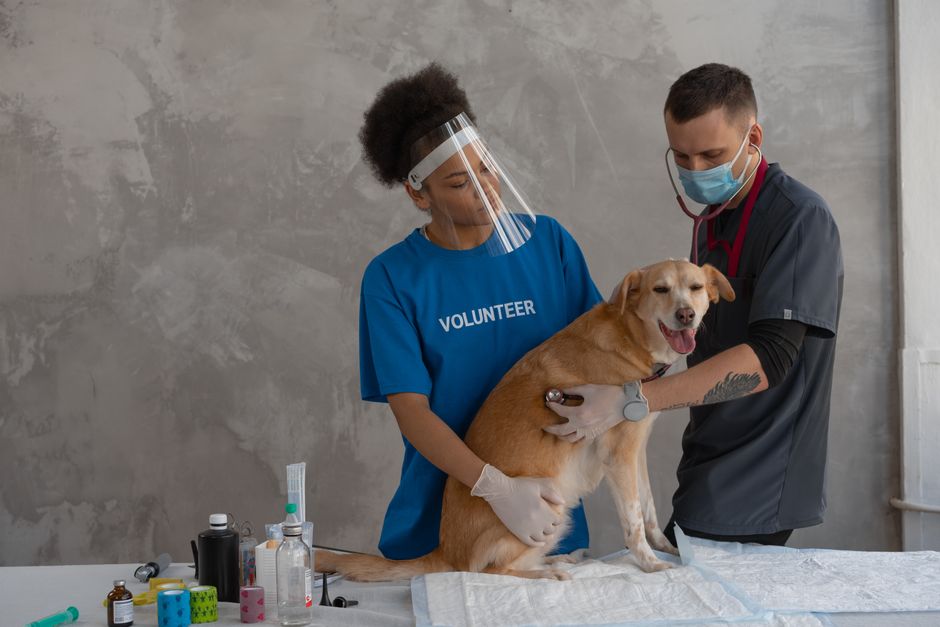
When fall health issues arise, prompt veterinary care is essential to ensure your dog or cat’s comfort and prevent complications. At Furwell at Barkingham, our veterinarians conduct thorough physical examinations to assess your pet’s overall health, checking for skin changes, respiratory symptoms, joint stiffness, and early signs of illness.
For allergies or skin conditions, our team may recommend allergy testing to identify the underlying cause and tailor a treatment plan. This could involve medicated shampoos, topical therapies, or prescription medications to soothe itching and inflammation. Pets with respiratory symptoms may require diagnostic testing such as in-house bloodwork or imaging to rule out infections like kennel cough or feline upper respiratory disease.
Pain or stiffness related to arthritis can often be managed with a combination of joint supplements, weight management, and prescribed pain relief when appropriate. If your pet develops gastrointestinal symptoms, our veterinarians are equipped to provide supportive care, dietary recommendations, and diagnostic evaluation to identify and treat the source of the problem.
Year-round parasite prevention remains important in fall, as fleas, ticks, and even heartworms can still pose a risk. For dogs, we offer Bravecto Quantum parasite prevention to protect against fleas and ticks, and we encourage regular heartworm testing for both dogs and cats as part of a comprehensive wellness plan.
Practical Tips for Fall Pet Wellness at Home
Pet owners play a vital role in supporting their pet’s health during the autumn months. Steps you can take at home include wiping your pet’s paws and coat after outdoor walks to remove allergens and debris, ensuring your home is well-ventilated yet free from drafts, and keeping potentially toxic items like antifreeze and mushrooms out of reach.
Monitor your pet’s weight and adjust food portions if you notice reduced activity. Pets may need fewer calories when they spend more time indoors, but maintaining a healthy diet is essential. Our veterinarians are happy to provide nutrition guidance tailored to your dog or cat’s needs.
Provide soft, warm bedding to ease joint discomfort, especially for senior pets, and encourage gentle exercise to keep muscles and joints limber. Regular grooming helps control shedding and allows you to spot changes in your pet’s skin or coat early on. Maintain your pet’s parasite prevention schedule and keep up with vaccination appointments, as fall is still a time when infectious diseases can circulate.
Be mindful of holiday foods and decorations, as many seasonal treats and plants, such as chocolate and lilies, are hazardous to pets. If you host gatherings, create a quiet, pet-safe space where your dog or cat can retreat if they feel overwhelmed.
When to Schedule a Veterinary Visit
It can be difficult to know when a seasonal symptom is minor or when it signals a more serious issue. You should schedule a veterinary appointment if your pet displays persistent itching, hair loss, coughing, sneezing, difficulty breathing, vomiting, diarrhea, or loss of appetite that lasts more than a day or two. Sudden changes in behavior, such as hiding, limping, or difficulty rising, also warrant a check-up.
For preventive care, semi-annual visits are ideal for monitoring your pet’s health throughout the year. Our veterinarians recommend a semi-annual comprehensive exam to catch any emerging issues early and update your dog or cat’s wellness plan as the seasons change.
If you are ever unsure whether your pet’s symptoms require medical attention, our team is just a phone call away. We are here to answer your questions and help you decide the best course of action for your pet’s comfort and safety.
Keeping Greenville’s Pets Healthy All Fall—Your Next Steps
Fall is a wonderful time to enjoy Greenville’s beautiful scenery with your four-legged companions, but it also calls for extra attention to their health and comfort. By staying alert to seasonal symptoms, practicing preventive care at home, and working closely with your veterinary team, you can help your dog or cat thrive through the cooler months.
If you are looking for a "vet near me" for personalized, compassionate care this fall, Furwell at Barkingham is ready to help. We invite you to schedule a wellness examination, update your pet’s parasite prevention, or consult with our veterinarians about any seasonal concerns. Our team is proud to serve Greenville and surrounding communities from our convenient location at 1240 E Butler Rd, Greenville, SC 29607. To book your appointment or speak with our veterinary professionals, call us at (864) 458-8500. Your pet’s health and happiness are our top priorities this season and all year long.
For more information about our wellness care, explore our comprehensive physical exams and wellness and vaccination programs online, or reach out to our veterinary team today.
Medical Disclaimer: The information provided in this blog is for educational purposes only and does not replace professional veterinary advice. Always consult your veterinarian for diagnosis and treatment of any health concerns in your pet.