
Managing Summer Allergies in Greenville Dogs and Cats


Managing Summer Allergies in Greenville Dogs and Cats
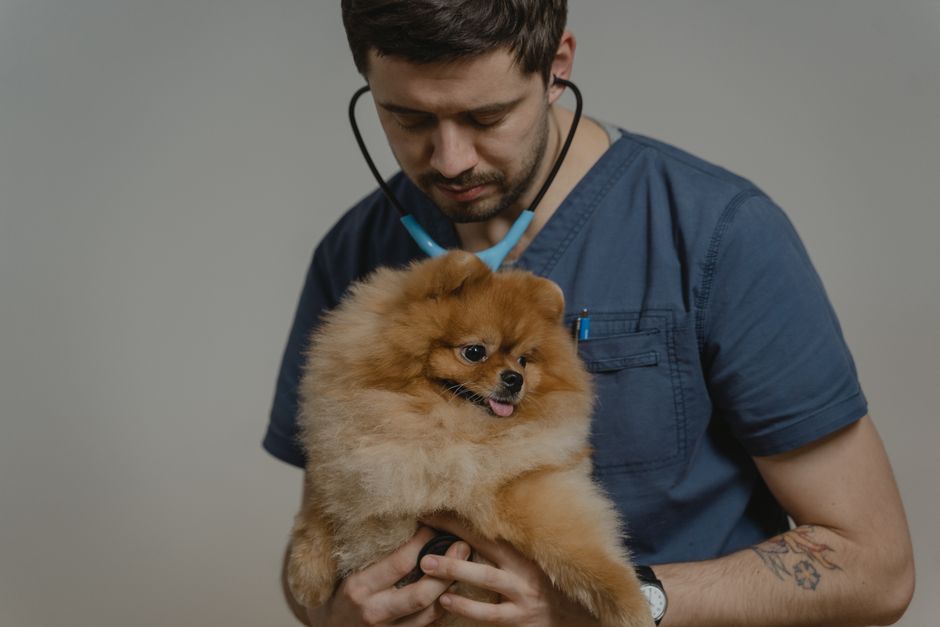
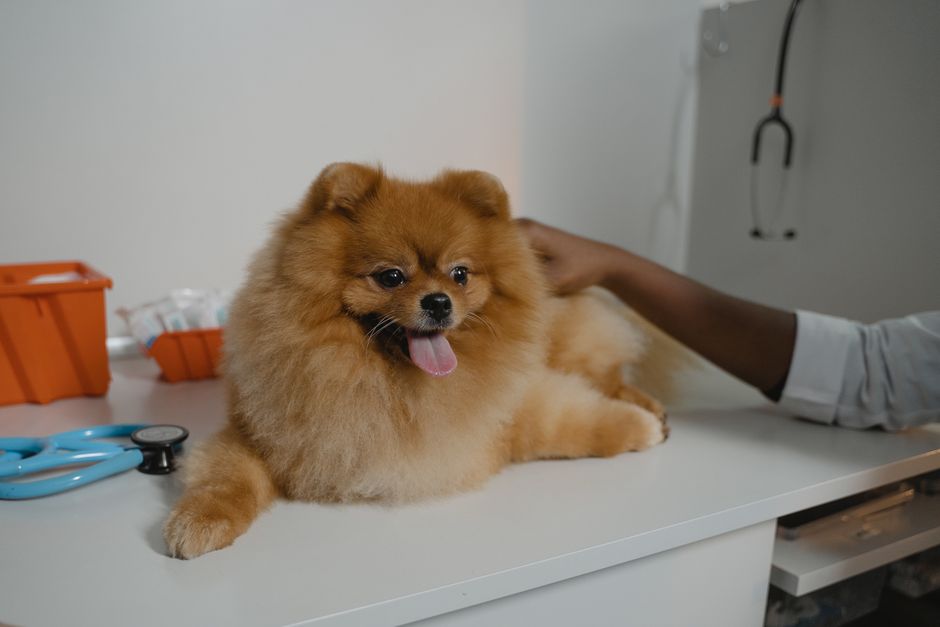
Summer in Greenville brings beautiful sunny days and plenty of time outdoors with your beloved pets. But if you have noticed your dog or cat scratching more than usual, sneezing, or developing red, irritated skin as the temperatures climb, you are not alone. Seasonal allergies are a common concern for pets in South Carolina, especially during the peak of pollen and grass growth. At Furwell at Barkingham, located at 1240 E Butler Rd, Greenville, SC 29607, our veterinary team understands how frustrating summer allergies can be for both pets and their owners. In this blog, we will explore why dogs and cats develop allergies in the summer, how to spot the signs, and what you can do to help your pet get relief. We will also discuss effective management strategies and when it is time to schedule an appointment with our compassionate veterinarians.
Recognizing Summer Allergy Symptoms in Dogs and Cats
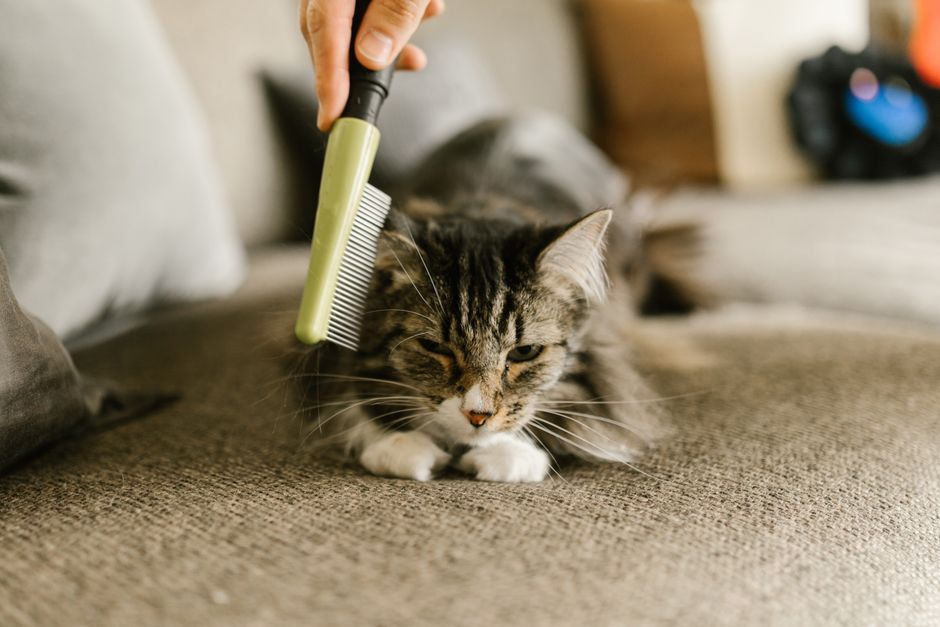
Identifying allergies in pets can sometimes be challenging, as the signs may overlap with other medical conditions. However, there are common symptoms that often indicate your dog or cat is struggling with seasonal allergies during the summer months. Key symptoms include persistent scratching, licking, or chewing at their paws and body. You might notice red, inflamed skin, especially on the belly, armpits, or ears. In dogs, recurring ear infections or head shaking are also frequent indicators of allergies. Cats may develop scabs or bald patches from excessive grooming. Sneezing, watery eyes, and runny noses can be seen in both species, although these respiratory signs are typically more pronounced in cats. If your pet’s symptoms seem to worsen after spending time outdoors, or if you notice a seasonal pattern each year, summer allergies could be the culprit.
When to Suspect Allergies Rather Than Fleas or Infections
While itching and skin irritation are hallmark symptoms of allergies, these issues can also be caused by fleas, mites, or skin infections. Pay attention to where your pet is itching and whether you see fleas or flea dirt. Allergic pets often have generalized discomfort, while flea infestations are usually most severe at the base of the tail. If your pet’s symptoms persist despite proper flea control, or if they develop recurring ear or skin infections, allergies are often a contributing factor.
What Causes Summer Allergies in Greenville Pets?
Allergies in dogs and cats occur when their immune system overreacts to substances that are normally harmless. In Greenville, the summer environment is full of potential allergens. These include grass and weed pollens, tree pollen, mold spores, and even dust mites that thrive in warm, humid conditions. Pets can be exposed to these allergens through direct skin contact, inhalation, or sometimes by ingesting particles that settle on their fur.
Environmental allergens are the most common culprits during the summer, but food allergies and flea allergies can also cause similar symptoms. Outdoor pets are particularly at risk for exposure to pollen and molds, especially after running through lawns or wooded areas. Urban pets are not immune either, as pollen can drift for miles and settle inside homes through open windows and on clothing. In some cases, pets with underlying sensitivities may react to multiple triggers at once, making their symptoms more severe during certain times of the year.
Why Greenville’s Climate Makes Allergies Worse
The Greenville area is known for its lush greenery and long growing season, but this also means a high pollen count through much of the summer. Warm temperatures and occasional thunderstorms contribute to increased mold growth, another common allergen for pets. Humidity can worsen skin irritation by causing pets to sweat more, creating an ideal environment for secondary infections to develop. These local conditions make it especially important for pet owners in Greenville and surrounding communities to be vigilant about allergy symptoms during the summer.
Managing and Treating Summer Allergies in Pets
Helping your pet find relief from summer allergies often involves a combination of home care, environmental management, and professional veterinary treatment. The first step is to identify the underlying allergens whenever possible. Working with your veterinarian at Furwell at Barkingham can help you pinpoint specific triggers, especially if your pet’s symptoms are persistent or severe. Our team offers allergy testing services that can provide valuable insights into what is causing your pet’s discomfort.
Treatment approaches for allergic pets involve several strategies. Medicated shampoos or wipes can help remove allergens from your pet’s skin and coat, reducing the likelihood of irritation. Your veterinarian may recommend antihistamines, prescription allergy medications, or immune-modulating therapies to control itching and inflammation. In some cases, corticosteroids or newer biologic treatments are used for short-term relief in severe cases. For pets with recurring skin or ear infections, treating these secondary problems is essential for long-term comfort.
Immunotherapy, also known as allergy shots, may be an option for pets with identified environmental allergies that do not respond well to medication alone. This treatment involves gradually exposing your pet to small amounts of the allergen to help their immune system become less reactive over time. Our veterinary professionals can discuss whether immunotherapy is a good fit for your dog or cat after thorough allergy testing.
Addressing Secondary Issues
Summer allergies often lead to secondary problems, such as bacterial or yeast infections in the skin and ears. If your pet develops a musty odor, sticky discharge, or painful ears, prompt treatment is necessary to prevent worsening discomfort. The veterinarians at Furwell at Barkingham can provide advanced diagnostics and tailored treatments, including topical or oral medications, to address these complications.
Home Care and Prevention Strategies
While professional veterinary care is essential for diagnosing and managing allergies, there are several steps you can take at home to minimize your pet’s exposure to summer allergens. Regular bathing with a veterinarian-recommended hypoallergenic shampoo can help wash away pollen and prevent it from accumulating on your pet’s skin. Wiping your pet’s paws and belly after outdoor walks is beneficial, especially for dogs that love to roll in the grass. Keeping your home as allergen-free as possible by using air filters, vacuuming frequently, and washing pet bedding in hot water can also reduce the allergen load.
Limiting outdoor time during peak pollen hours, usually early mornings and late afternoons, may help sensitive pets. Try to avoid freshly mowed lawns or areas where weeds and grasses are in bloom. For cats, keeping windows closed during high pollen days can prevent allergens from settling indoors. If your pet is prone to ear infections, regular ear cleaning as directed by your veterinarian can help prevent flare-ups.
Nutrition plays a supporting role in skin health. Feeding a balanced diet rich in omega-3 fatty acids and essential nutrients can help strengthen your pet’s skin barrier, making them less reactive to environmental triggers. Always consult your veterinarian before making significant changes to your pet’s diet or starting new supplements.
When to Seek Veterinary Care for Allergies
Some mild allergy symptoms can be managed at home, but there are situations where professional care is essential. You should schedule an appointment with our veterinary team if your pet’s itching leads to open sores, hair loss, or if you notice persistent redness and swelling. Chronic ear infections, repeated skin infections, or changes in your pet’s behavior such as lethargy or loss of appetite are also signs that veterinary evaluation is needed. Sudden swelling of the face, difficulty breathing, or hives constitutes an emergency, and you should seek immediate veterinary attention.
Our veterinarians at Furwell at Barkingham are dedicated to providing compassionate, individualized allergy care for dogs and cats in Greenville and the surrounding communities. We offer comprehensive diagnostic and treatment options, including advanced allergy testing, to help your pet feel comfortable all season long. You can learn more about our allergy testing services for pets and how they can make a difference for your pet’s quality of life.
Supporting Your Pet’s Comfort All Summer
Summer allergies can be a source of frustration for both pets and their owners, but with the right strategies and veterinary support, your dog or cat can enjoy a happy, itch-free season. By recognizing the signs of seasonal allergies, taking preventive steps at home, and seeking professional care when needed, you can help your pet thrive even during Greenville’s most challenging allergy months. Remember that ongoing communication with your veterinary team is the key to successful long-term management.
If you have noticed persistent allergy symptoms in your pet or have questions about managing summer allergies, schedule an appointment with the caring veterinarians at Furwell at Barkingham. Our team is here to help with comprehensive allergy care and guidance tailored to your pet’s unique needs. When searching for a vet near me, look no further than our experienced veterinary team at 1240 E Butler Rd, Greenville, SC 29607. Call us at (864) 458-8500 to schedule your pet’s allergy evaluation or to discuss ongoing wellness care. We look forward to helping your pet feel their very best all year long.
This blog is intended for educational purposes only and should not be used as a substitute for professional veterinary advice. If you have concerns about your pet’s health, please consult with your veterinarian.