
Protecting Pets From Heatstroke: Summer Safety Tips in Greenville

Protecting Pets From Heatstroke: Summer Safety Tips in Greenville
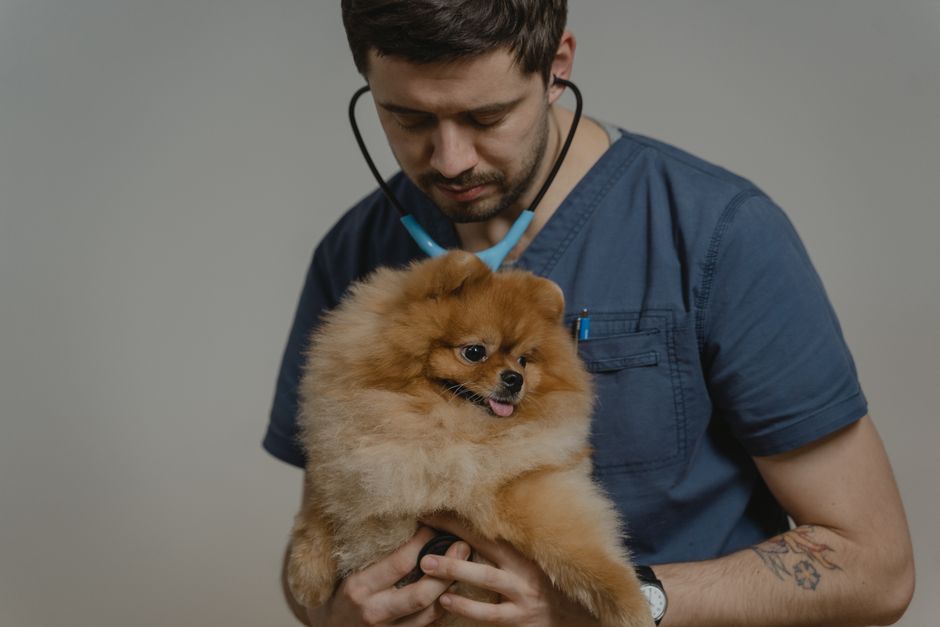
As summer arrives in Greenville, long, sunny days mean more time enjoying the outdoors with your dog or cat. However, rising temperatures also bring a serious health risk: heatstroke. At Furwell at Barkingham, our veterinary team understands how quickly a fun afternoon can turn into an emergency if pets overheat. Whether you are walking your dog in the park, relaxing in the backyard, or keeping your indoor cat comfortable, knowing how to protect your pet from heatstroke is essential. In this guide, we will discuss how to recognize the warning signs of heatstroke in dogs and cats, why pets are at risk during Greenville’s hottest months, and practical steps you can take to keep your furry family members safe. Our team at 1240 E Butler Rd, Greenville, SC 29607 is committed to helping pet owners in Greenville and surrounding communities enjoy a safe, happy summer with their pets. If you have concerns about your pet’s health or need guidance on summer pet care, we invite you to schedule an appointment or learn more about our comprehensive physical exams for dogs and cats.
Recognizing the Signs of Heatstroke in Pets
Heatstroke is a life-threatening emergency that can affect both dogs and cats, often with little warning. The most common signs of heatstroke in pets include excessive panting, difficulty breathing, drooling, and a rapid heart rate. As heatstroke progresses, you may notice your pet becoming weak, unsteady, or even collapsing. Dogs might vomit, have diarrhea (which could contain blood), or develop bright red gums. Cats, who are often more subtle in showing distress, may suddenly become lethargic, breathe with their mouths open, or show agitation and restlessness. Other symptoms to watch for are glazed eyes, elevated body temperature, and, in severe cases, seizures or loss of consciousness.
It is important to remember that certain pets are at higher risk for heatstroke. Brachycephalic breeds like Bulldogs and Pugs, senior pets, kittens and puppies, pets with thick coats, and those with underlying health conditions may struggle more in hot weather. Recognizing these early warning signs and acting quickly can make a lifesaving difference for your pet.
Why Heatstroke Happens: Understanding the Risks for Dogs and Cats
Heatstroke occurs when a pet’s body temperature rises to dangerous levels, overwhelming their natural cooling mechanisms. Unlike humans, dogs and cats do not sweat over most of their bodies; they primarily regulate heat through panting and, to a lesser extent, through their paw pads. In hot, humid conditions like those common in Greenville during July and August, panting may not provide enough cooling, especially if your pet is active or confined to a space with poor ventilation.
Common scenarios that increase the risk of heatstroke include leaving pets in parked cars, even for a few minutes, exercising them during the hottest part of the day, or keeping them outdoors without access to shade and fresh water. Indoor pets can also be at risk if air conditioning fails or if a home becomes too warm without adequate airflow. Additionally, pavement and sand can become dangerously hot, causing not only heatstroke but also painful burns to paw pads.
Recognizing the unique ways Greenville’s summer weather can impact your pet is key to preventing heat-related emergencies. Our veterinary professionals often see heatstroke cases rise during local heatwaves, so being aware of your pet’s environment and activities is vital.
How Heatstroke Is Treated: What to Expect at the Veterinary Clinic
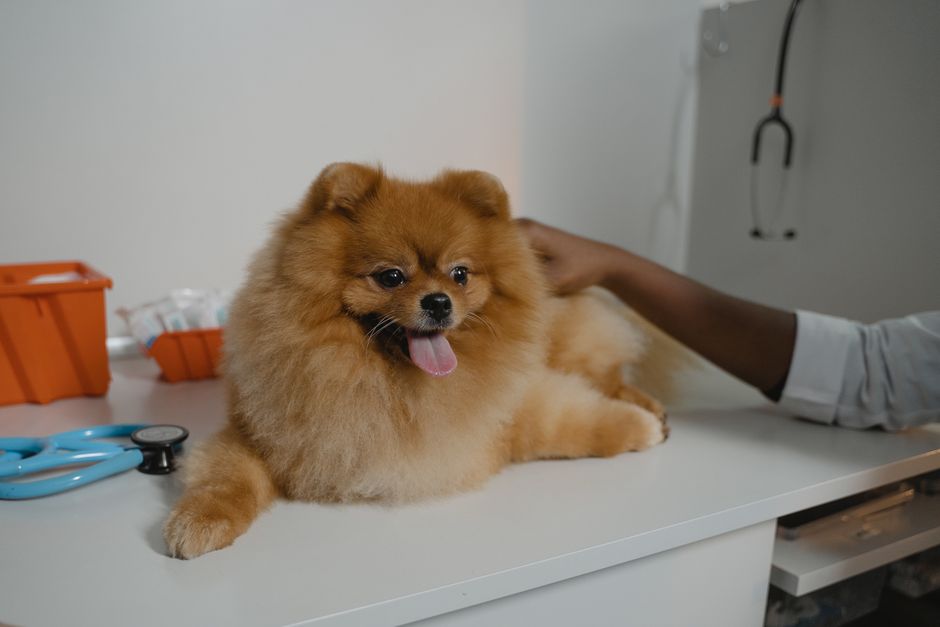
If you suspect your dog or cat is suffering from heatstroke, immediate veterinary attention is crucial. At Furwell at Barkingham, our team of veterinarians is equipped to provide emergency stabilization and supportive care for pets experiencing heatstroke. Treatment begins with rapidly but safely lowering your pet’s body temperature. This process may involve applying cool (not cold) water to their body, using fans for gentle airflow, and administering intravenous fluids to address dehydration and shock.
The veterinary team will monitor vital signs closely, check for complications such as organ dysfunction, and provide oxygen therapy if needed. Blood tests may be recommended to assess internal damage, and ongoing care might involve medications to protect organs and manage symptoms. In severe cases, hospitalization and intensive monitoring are necessary to support your pet’s recovery.
It is essential for pet owners to understand that while prompt first aid at home can help, professional veterinary intervention is always required for suspected heatstroke. Our general veterinary medicine services include the expertise and resources needed to address these emergencies and guide your pet’s recovery.
Preventing Heatstroke: Keeping Pets Safe in Greenville’s Summer Heat
Prevention is always better than treatment when it comes to heatstroke. Simple strategies can go a long way in keeping your dog or cat cool during Greenville’s hot summer days. Always provide unlimited access to fresh, clean water and ensure there is ample shade if your pet is spending time outdoors. Walk dogs early in the morning or late in the evening when temperatures are lower, and avoid strenuous activity during the midday heat. For cats, keep indoor environments cool and consider using fans or air conditioning to maintain a comfortable temperature.
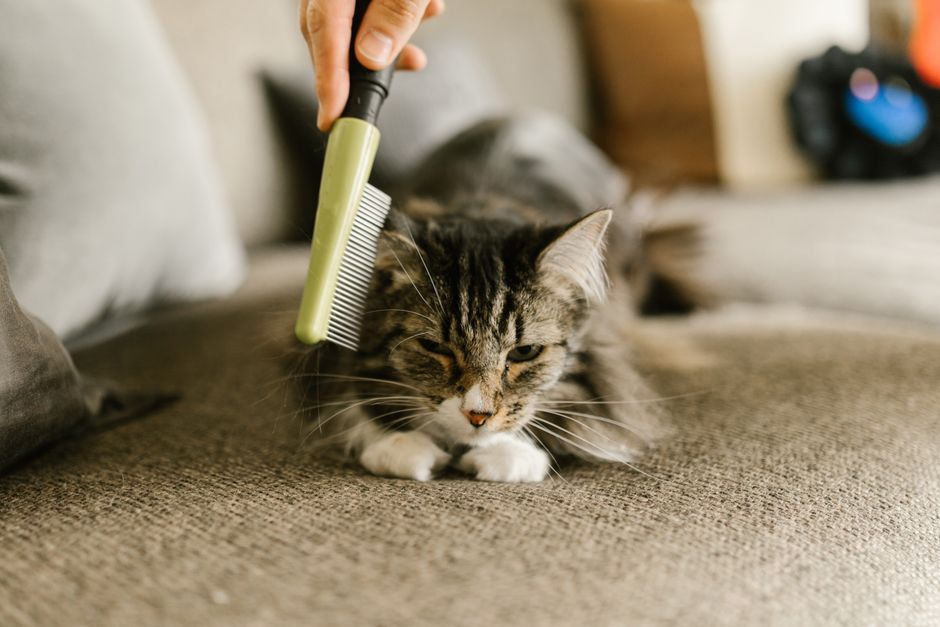
Never leave your pet in a parked vehicle, even with the windows cracked; temperatures inside a car can skyrocket within minutes. Be mindful of hot pavement and sand, which can cause burns and contribute to overheating. For pets with long or thick coats, talk to your veterinarian about appropriate grooming to help them stay cool. Some pets may benefit from cooling mats or vests, but always supervise their use and ensure your pet does not chew or ingest these items.
Healthy nutrition and staying up to date on wellness care also support your pet’s ability to cope with heat. Our pet nutrition resources and wellness and preventive care tracks are designed to help your pet thrive in every season. If you have questions about your pet’s risk for heatstroke or need individualized summer care tips, our veterinary professionals are here to help.
When to Seek Veterinary Care for Heatstroke
Timely action can save your pet’s life. If your dog or cat shows signs of heatstroke—such as heavy panting, drooling, weakness, vomiting, or collapse—move them to a cooler environment right away and offer small amounts of water if they are alert. Begin cooling your pet with lukewarm water and use fans for gentle airflow, but avoid ice-cold water or ice packs, as rapid cooling can cause additional harm.
While you provide first aid, contact our team at Furwell at Barkingham for immediate guidance. Heatstroke is always a medical emergency that requires prompt veterinary care, even if your pet seems to improve at home. Complications can develop hours or days later, so a thorough evaluation is crucial to ensure your dog or cat’s long-term health.
If you are unsure whether your pet’s symptoms are related to heatstroke or another health concern, our comprehensive physical exams can help identify underlying issues and provide peace of mind.
Keeping Your Pets Safe: Summer Wellness with Furwell at Barkingham
Summer in Greenville brings plenty of opportunities for pets and their families to enjoy life together, but the risks of heatstroke are real and preventable. By learning the signs of overheating, understanding how heatstroke develops, and taking proactive steps to keep your pet cool, you can help your dog or cat stay safe all season long. Remember that regular veterinary checkups and preventive care are key to maintaining your pet’s health, especially during the summer months.
If you have concerns about your pet’s ability to handle the heat, want to discuss a personalized summer safety plan, or simply need advice from a compassionate vet near me, our team at Furwell at Barkingham is here to support you. Schedule an appointment by calling (864) 458-8500, visit us at 1240 E Butler Rd, Greenville, SC 29607, or explore our veterinary and pet health educational resources for more information. Let our veterinary professionals help you and your furry family enjoy a safe, happy, and healthy summer in Greenville and the surrounding communities.
Medical disclaimer: The advice provided in this article is intended for informational purposes only and should not replace professional veterinary consultation. If you suspect your pet is experiencing a medical emergency, contact your veterinarian immediately.