
Preparing Your Pet for Cold Weather in Greenville
Preparing Your Pet for Cold Weather in Greenville
As temperatures drop across Greenville each November, many pet owners start to wonder how best to keep their dogs and cats safe, healthy, and comfortable. At Furwell at Barkingham, our team of veterinarians understands just how important it is to help your furry family members thrive during the colder months. Chilly weather can bring unique challenges for pets, from brisk morning walks and icy sidewalks to the risk of seasonal illnesses. In this blog, we’ll share expert guidance on preparing your pet for cold weather in Greenville, including how to spot signs of cold stress, why winter wellness matters, and what you can do to ensure your dog or cat enjoys a safe, cozy season. Whether you are a long-time resident or new to the area, you’ll find practical advice tailored to our local climate and your pet’s specific needs. If you are ever unsure about your pet’s health this winter, our comprehensive physical examinations are designed to identify and address any seasonal health concerns.
Recognizing When Cold Weather Is a Problem for Your Pet
Not all pets experience cold weather the same way. While some dogs and cats seem unbothered by brisk temperatures, many are more sensitive to the chill. Owners should be aware of key symptoms that may indicate their pet is struggling with the cold. Warning signs include shivering, reluctance to go outside, seeking extra warmth around the house, or curling up tightly for extended periods. Some pets may develop dry, flaky skin or cracked paw pads as a result of cold, dry air. Short-haired and small-breed dogs, as well as older pets and those with chronic illnesses, are especially vulnerable to cold-related stress. Cats that venture outdoors may be at risk for frostbite on their ears, nose, or paws, even if they only spend a short time outside. If your pet seems less energetic, shows changes in appetite, or appears anxious or uncomfortable during colder weather, it could be a sign that extra care is needed.
Why Do Pets Struggle With Cold Weather? Understanding the Causes
Greenville’s winter temperatures may not be as harsh as those in northern climates, but sudden drops in temperature, wind chill, and damp conditions can still affect pets. Dogs and cats regulate their body heat differently than humans do, and some breeds are less equipped for the cold. Factors that contribute to cold sensitivity include thin or short coats, low body fat, age, and underlying health issues. In addition, pets who spend most of their time indoors may be more susceptible to temperature changes when they go outside, as their bodies are not acclimated to the cold. The combination of chilly air, wet conditions, and icy surfaces can also increase the risk of respiratory infections, joint stiffness for arthritic pets, and skin problems. Understanding these causes helps owners prepare and take proactive steps to keep their pets safe and comfortable.
The Impact of Local Climate
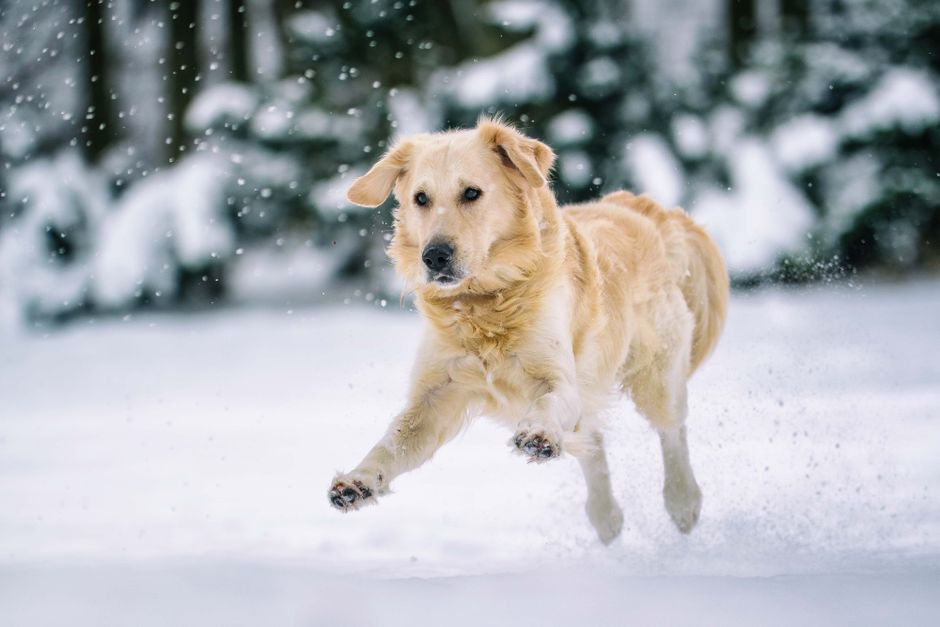
In Greenville, winter brings fluctuating temperatures, occasional icy rain, and gusty winds. These conditions can catch pet owners off guard, especially during sudden cold snaps in November and December. Even pets who seem hardy can struggle when they encounter wet fur, frozen ground, or prolonged exposure to chilly air. It’s important to remember that what feels mild to a person bundled in a winter coat may feel quite uncomfortable to a pet with only a thin layer of fur.
How Furwell at Barkingham Helps: Winter Wellness and Professional Support
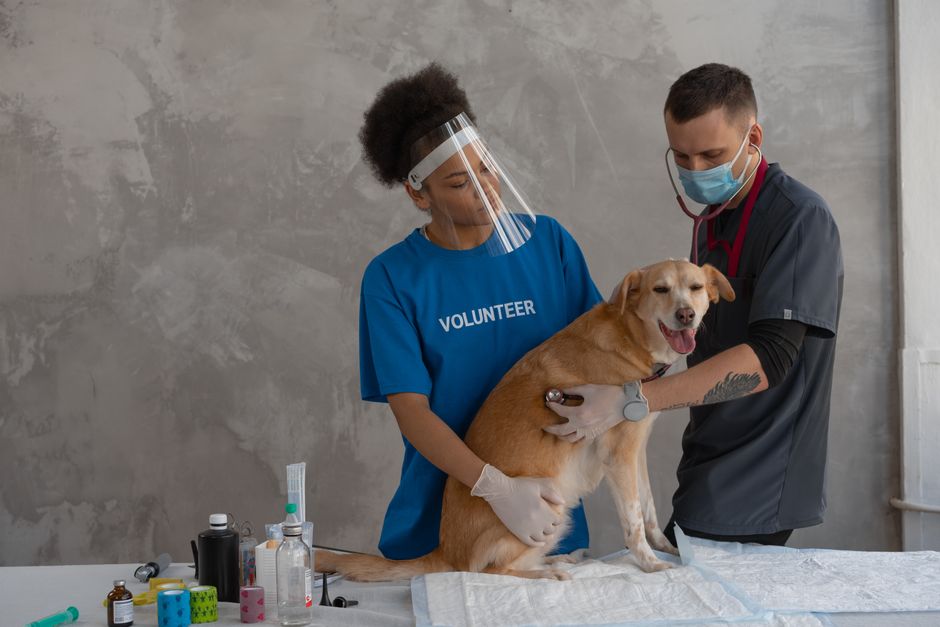
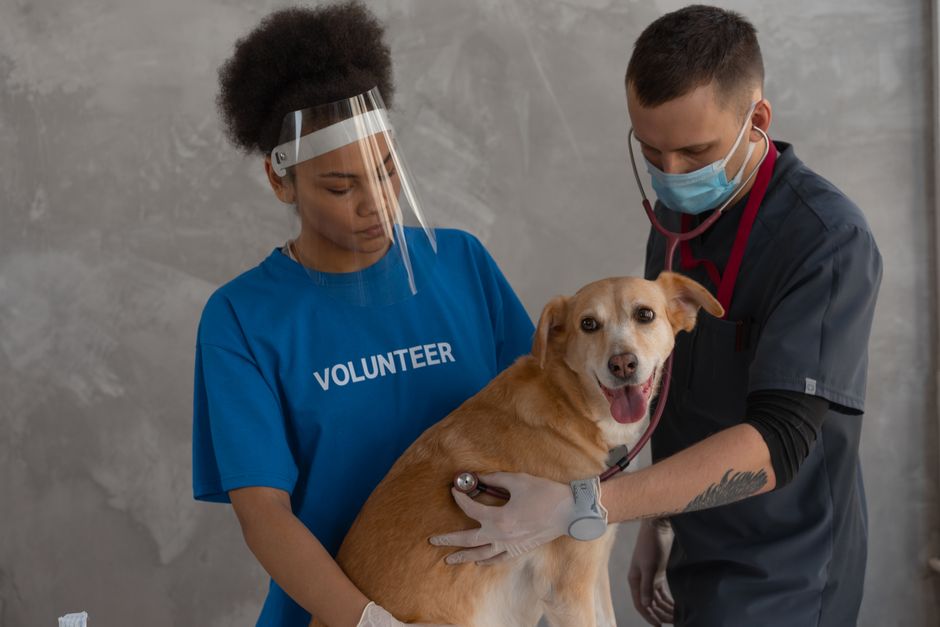
Scheduling a winter wellness examination can make a significant difference for your pet’s health. At Furwell at Barkingham, our veterinary team offers comprehensive physical exams that are tailored to the unique challenges of cold weather. During these visits, we check for signs of arthritis, skin conditions, and other issues that often become more pronounced in the winter months. We can also review your pet’s vaccination status and recommend vaccination services to help protect against seasonal infectious diseases that are more likely to spread when pets spend more time indoors or in close proximity to others.
Our veterinarians will discuss your pet’s lifestyle and habits, offering advice on appropriate exercise routines, indoor enrichment, and strategies for keeping your dog or cat active when the weather is less inviting. For pets with special health needs, we can identify early signs of problems and recommend targeted treatments. If you have questions about nutrition, our team can provide guidance on how pet nutrition supports immune health and energy levels throughout the winter.
Managing Chronic Conditions and Winter Risks
Pets with arthritis or mobility challenges often need extra support during cold weather, as joints can become stiff and painful in low temperatures. Our veterinarians may recommend supplements, medication adjustments, or physical therapy options to help keep your pet comfortable and mobile. For pets with heart or respiratory conditions, a winter checkup is especially important to monitor for signs of worsening symptoms.
Home Care and Prevention: Steps to Keep Your Pet Safe and Comfortable
While professional care is important, there is a lot that pet owners can do at home to help their dogs and cats weather the cold season. One of the most critical steps is to limit time outdoors during especially chilly or wet weather. Short walks, particularly for small or short-haired dogs, are often preferable to long outings. Consider using a well-fitted coat or sweater for extra warmth, and always towel-dry your pet’s fur and paws when returning inside. Regular grooming helps maintain a healthy coat, which provides natural insulation against the cold. However, avoid shaving or trimming fur too short during the winter, as this can reduce your pet’s ability to stay warm.
Paw care is another essential aspect of winter wellness. Snow, ice, and de-icing chemicals can irritate or injure your pet’s feet. Check your dog’s or cat’s paw pads after every walk, and use a damp cloth to remove any salt, chemicals, or debris. Applying a pet-safe paw balm can help protect against cracking and dryness. Indoors, make sure your pet has a warm, draft-free spot to rest. Raised beds, extra blankets, and cozy corners can encourage your pet to snuggle up and stay comfortable.
Nutrition and hydration also deserve attention during the colder months. Some pets may need a slight increase in calories if they are more active outdoors, while others may require a diet adjustment to support weight management. Always provide fresh, unfrozen water, as pets can become dehydrated even in winter. If you are unsure about your pet’s dietary needs, our pet nutrition guidance can help you choose the right foods for optimal health.
Keeping Indoor Pets Active
Cold weather often means pets spend more time inside, which can lead to boredom and weight gain. Interactive toys, puzzle feeders, and regular playtime are great ways to keep your dog or cat stimulated and active. For dogs, brief indoor training sessions or games like hide-and-seek can be both fun and mentally engaging. Cats often appreciate new scratching posts or elevated spaces to explore.
When to Schedule a Veterinary Visit: Recognizing When Your Pet Needs Help
Even with the best home care, some winter health issues require professional attention. Owners should schedule a veterinary appointment if their pet displays persistent shivering, refuses to go outside, develops breathing difficulties, or shows signs of frostbite such as pale or blue-tinged skin on the ears, nose, or paws. Lethargy, limping, or sudden behavioral changes are also reasons to seek veterinary advice. For pets with known health conditions, any changes in mobility, appetite, or energy levels during winter warrant a checkup. Our team at Furwell at Barkingham is always here to provide thorough evaluations and address your concerns.
If you notice your pet is struggling with dry skin, excessive shedding, or other skin and coat problems, a wellness visit can help uncover the underlying cause and provide effective solutions. It is especially important to keep up with semi-annual comprehensive exams for older pets or those with chronic illnesses, as winter can exacerbate age-related conditions.
Addressing Emergencies
While most cold-weather issues can be managed at home or through routine veterinary care, emergencies such as suspected frostbite, hypothermia, or sudden collapse require immediate attention. Do not wait to see if symptoms improve on their own; call our veterinary team right away to discuss next steps and arrange for an urgent appointment.
Winter Wellness: Building a Healthy Routine for the Season
Consistency is key when it comes to protecting your pet during the winter months. Make winter wellness part of your regular routine by monitoring your pet’s comfort, adjusting walks and outdoor activities based on the forecast, and maintaining scheduled veterinary visits. Preventive care programs, such as wellness tracks, can help you stay on top of vaccines, nutrition, and chronic condition management. Our goal is to partner with you in supporting your pet’s health and happiness, no matter what the weather brings.
Incorporating seasonal checkups and open communication with your veterinary team ensures that any issues are caught early, allowing for prompt treatment and a smoother winter experience for both you and your pet.
Trust Furwell at Barkingham for Cold Weather Pet Care in Greenville
As winter settles in across Greenville and surrounding communities, your pet’s wellbeing remains our top priority. By staying attentive to changes in behavior, providing a warm and safe home environment, and scheduling regular veterinary visits, you can help your dog or cat enjoy a healthy, happy season. If you have questions about preparing your pet for cold weather or would like to book a seasonal wellness examination, our veterinary professionals are here to help. Reach out to Furwell at Barkingham at 1240 E Butler Rd, Greenville, SC 29607 or call us at (864) 458-8500 to schedule an appointment.
If you are searching for a trusted "vet near me" to help your pet thrive during the colder months, look no further than our compassionate team. Explore our comprehensive physical examinations and wellness tracks to see how we can support your pet’s health this winter and beyond. Your pet deserves the best care—let us help you provide it, every season of the year.