
Why Fall Flea Prevention Matters for Greenville Pets
Why Fall Flea Prevention Matters for Greenville Pets
As the leaves begin to change and cooler weather arrives in Greenville, many pet owners breathe a sigh of relief, believing the threat of fleas will fade with summer’s end. However, fall is actually a critical time for flea prevention in both dogs and cats. At Furwell Veterinary Hospital, located at 1240 E Butler Rd, Greenville, SC 29607, we know that fleas remain a persistent problem long after the temperature drops. Our veterinarians see an uptick in flea-related appointments every autumn, as many owners are caught off guard by new infestations. In this blog, we’ll explain why September is such a pivotal month for flea prevention, how to spot signs of a problem, what causes these seasonal outbreaks, and most importantly, how you can keep your pet itch-free and healthy as the weather cools. We’ll also share how our comprehensive physical examinations and preventive care options can help protect your pet all year round.
Recognizing Flea Problems in Your Dog or Cat
Fleas are masters of stealth, often going unnoticed until your pet is already uncomfortable. During the fall in Greenville, many dogs and cats suddenly develop symptoms that can easily be mistaken for seasonal allergies or dry skin. Key signs to watch for include persistent scratching, chewing, or licking, especially at the tail base, groin, or underbelly. Some pets may develop small red bumps or scabs, while others might lose fur in patches. You may also notice tiny black specks, known as flea dirt, on your pet’s skin or bedding. In severe cases, pets can become restless or even develop anemia, which appears as pale gums and lethargy.
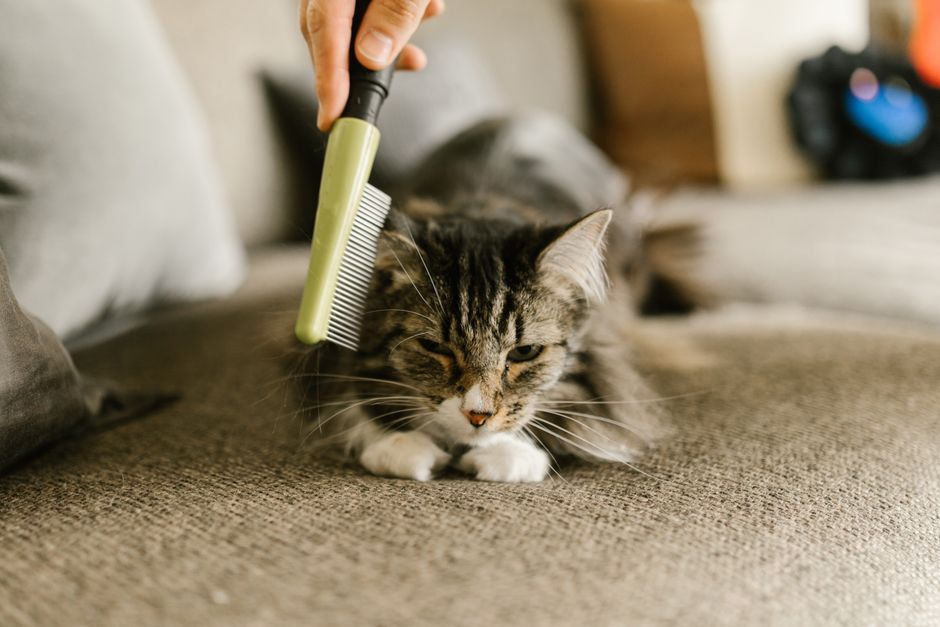
If your pet is itching more than usual, it is important to check their coat carefully. Use a fine-toothed comb and look for fast-moving fleas or the tell-tale black specks that turn reddish-brown when moistened. Catching a flea problem early, especially in the fall, can prevent a small issue from escalating into a full-blown home infestation.
Why Fleas Remain a Threat in Greenville’s Fall Weather
Many pet owners assume that fleas disappear as soon as the temperature drops. Unfortunately, fleas are more resilient than they appear. In Greenville’s mild fall climate, outdoor temperatures rarely fall low enough to kill off flea populations. Fleas thrive as long as the weather stays above freezing, and they multiply quickly in the warm, humid environment of your home, regardless of what’s happening outside.
During September, adult fleas are still actively laying eggs, and these eggs can survive in carpets, bedding, and cracks in the floor for weeks. As windows close and heating systems kick on, indoor environments become perfect breeding grounds. Pets who spend time outdoors in the fall are likely to pick up new fleas, while those who stay mostly inside may be exposed through other animals, visitors, or even a quick walk in the backyard.
Additionally, fleas can transmit tapeworms and cause severe skin allergies, especially in pets with flea allergy dermatitis. For these sensitive animals, even a single flea bite can trigger intense itching, rashes, and significant discomfort. That’s why our veterinary team often recommends year-round prevention, rather than pausing treatments at the end of summer.
Professional Treatment and Solutions for Flea Infestations
If you suspect your dog or cat has fleas, prompt action is essential. Our veterinarians at Furwell Veterinary Hospital offer a range of safe and effective solutions tailored to your pet’s needs. Treatment typically involves a combination of prescription flea preventives, environmental control, and sometimes additional therapies to address complications like skin infections or allergies.
For pets with signs of flea allergy dermatitis or persistent itching, our team may recommend allergy testing for pets to determine if fleas or other allergens are contributing to your pet’s symptoms. This allows us to create a targeted treatment plan that relieves discomfort quickly and prevents recurring issues.
We also offer advanced parasite prevention options such as Bravecto Quantum, which provides long-lasting protection against fleas and ticks. These products are safe for most dogs and cats and are often more effective than over-the-counter treatments.
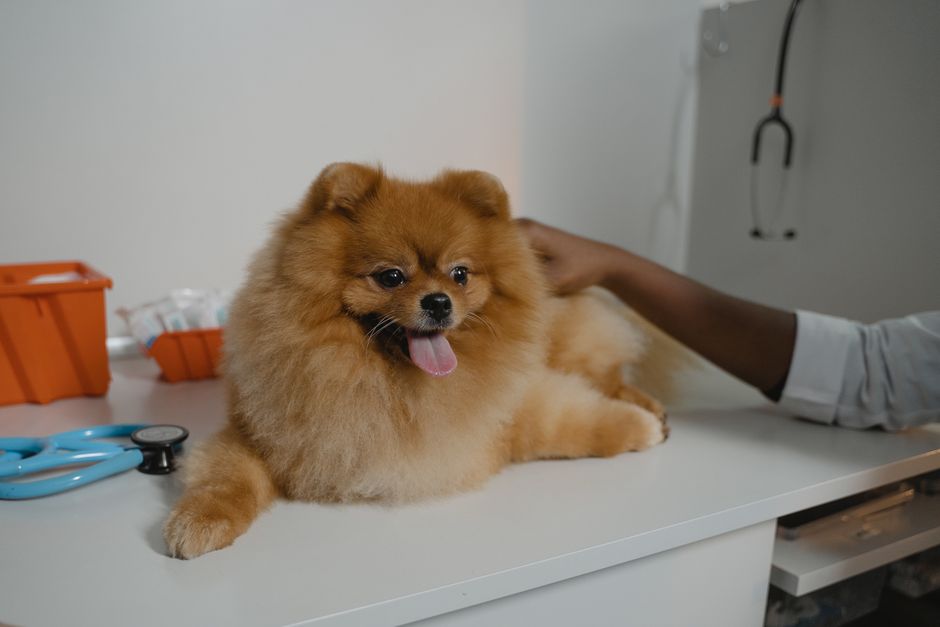
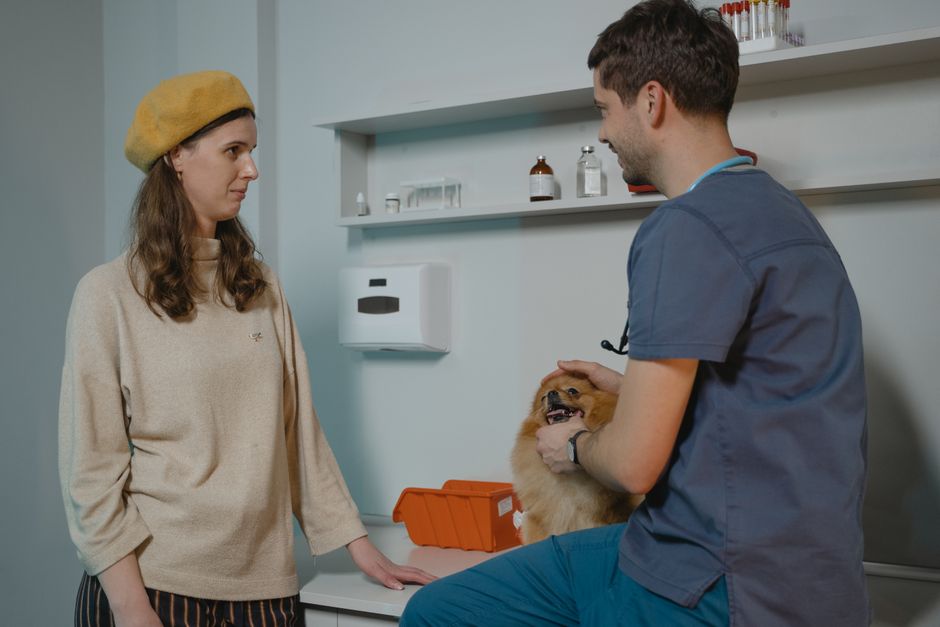
During your visit, our team may recommend a comprehensive physical examination to check for any secondary problems, such as skin infections, hot spots, or signs of anemia. Treating these issues early helps your pet recover faster and reduces the likelihood of complications.
Preventing Flea Infestations at Home This Fall
Preventing fleas is much easier—and less stressful—than treating a full-blown infestation. The most effective approach is to maintain year-round flea prevention, even as the weather cools. Our veterinarians can help you choose the best preventive product for your pet’s age, health status, and lifestyle.
At home, regular vacuuming and washing your pet’s bedding in hot water can significantly reduce flea eggs and larvae. Pay special attention to areas where your pet spends time, such as favorite sleeping spots or upholstered furniture. If you have multiple pets, ensure that all animals in the household are treated, as fleas will quickly move between hosts.
For pets with previous flea problems or allergies, joining one of our preventive wellness care programs can provide added peace of mind. These programs combine routine exams, parasite prevention, and ongoing health monitoring to keep your pet protected throughout the year.
It is also helpful to avoid walking your dog through areas with high grass or leaf litter, as these spots often harbor fleas during the fall months. If you are unsure whether your current prevention plan is working, our veterinary team is always happy to review your options and make recommendations tailored to your pet.
When to Seek Veterinary Care for Flea Issues
While mild itching can sometimes be managed at home, certain situations call for prompt veterinary attention. If your pet is scratching persistently, losing fur, or developing red, irritated skin, schedule an appointment as soon as possible. Pets who are lethargic, have pale gums, or appear weak may be suffering from flea-induced anemia, which is a medical emergency and requires immediate care.
It’s also important to contact our veterinarians if over-the-counter flea treatments are not working, or if your pet reacts negatively to a product. Some dogs and cats are sensitive to certain ingredients, and using the wrong preventive can make the problem worse. Our team can help you navigate these issues safely and effectively.
Routine comprehensive physical exams are another great way to catch early signs of fleas or related health problems before they escalate. Regular checkups allow us to adjust your pet’s prevention plan as needed and ensure they remain comfortable and healthy through every season.
Keep Your Greenville Pet Protected This Fall
Fleas are more than just a nuisance; they can cause real health problems for dogs and cats, especially as fall brings ideal breeding conditions to Greenville homes. By staying vigilant, using proven prevention products, and partnering with our compassionate veterinary team, you can keep your pet comfortable, itch-free, and safe from parasites throughout the autumn months.
If you notice signs of fleas or want to update your pet’s prevention plan, schedule an appointment with Furwell Veterinary Hospital today. Our veterinarians are here to support you with expert guidance, routine exams, and a wide range of preventive options. Whether you are searching for a trusted vet near me or want to join a preventive wellness care program, we are ready to help your pet thrive this fall and beyond.
Call us at (864) 458-8500 or visit us at 1240 E Butler Rd, Greenville, SC 29607 to book your appointment. Keeping Greenville’s pets healthy and happy through every season is our top priority.