
Pet Dental Care: Protecting Your Dog or Cat’s Smile

Pet Dental Care: Protecting Your Dog or Cat’s Smile
Keeping your dog or cat’s smile healthy goes far beyond fresh breath—it’s a key part of ensuring their overall well-being. Many pet owners in Greenville and the surrounding communities are surprised to learn just how much their pet’s dental health can impact daily comfort, behavior, and even long-term health. At Furwell at Barkingham, located at 1240 E Butler Rd, Greenville, SC 29607, our veterinary team is dedicated to providing comprehensive pet dental care for dogs and cats throughout every stage of life. In this guide, you’ll discover why dental health matters, how to recognize signs of dental disease, what causes these issues, which treatment options are available, and what you can do at home to protect your pet’s teeth. We’ll also explain when to schedule a dental visit and how our veterinary dental services can help your pet enjoy a lifetime of healthy smiles.
Recognizing Signs of Dental Problems in Pets
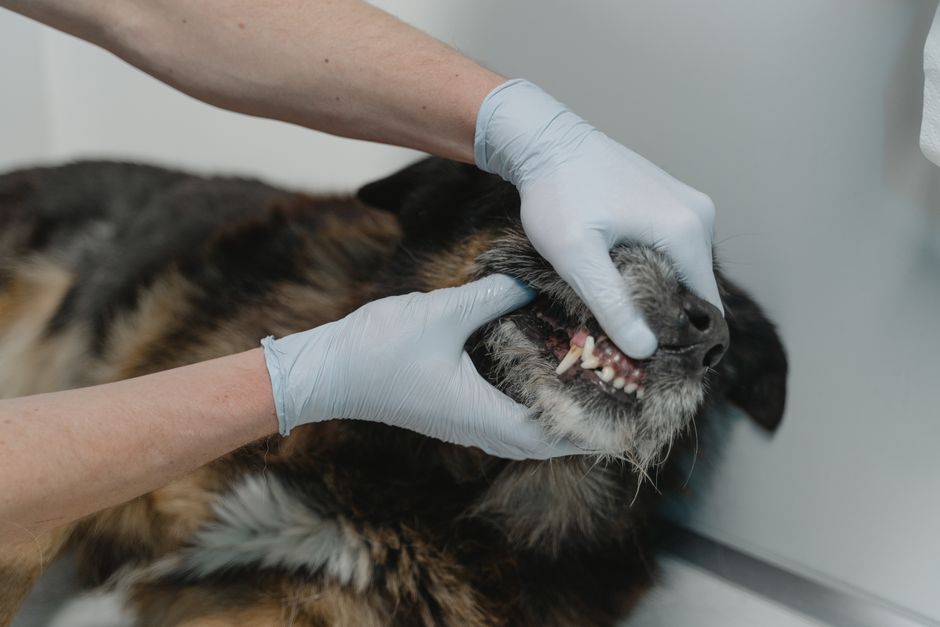
Many pet owners are surprised by how common dental disease is in dogs and cats. In fact, dental disease is one of the most frequently diagnosed health issues in companion animals. Recognizing the early signs of dental problems is essential to prevent discomfort and more serious complications. Some of the most noticeable signs of dental disease in pets include persistent bad breath, red or swollen gums, visible tartar buildup, drooling, or difficulty eating. You might also observe your dog or cat pawing at their face, dropping food, or avoiding hard toys and treats. In more advanced cases, loose or missing teeth, bleeding from the mouth, and changes in behavior such as irritability or withdrawal can signal that dental pain is affecting your pet’s quality of life. Since pets are often experts at hiding discomfort, even subtle changes in eating habits or mouth odor should prompt a closer look.
Why Pet Dental Disease Happens: Understanding the Causes
Just like people, dogs and cats are susceptible to dental issues when proper oral hygiene is neglected. The most common cause of dental disease in pets is the gradual buildup of plaque—a sticky film of bacteria—on the surfaces of the teeth and along the gumline. Over time, this plaque hardens into tartar, which can irritate the gums and lead to inflammation known as gingivitis. If left untreated, this process can progress to periodontal disease, which damages the tissues and bone supporting your pet’s teeth. Factors that can increase your dog or cat’s risk of dental disease include age, breed predispositions, diet, and even certain medical conditions that affect immune function or saliva production. Small breed dogs and certain flat-faced cats are often more prone to dental crowding, which can trap food particles and bacteria, making oral care even more important. Chewing behaviors, lack of regular dental cleanings, and genetics all play a role in how quickly dental problems develop.
Professional Treatment Options: What to Expect at Furwell at Barkingham
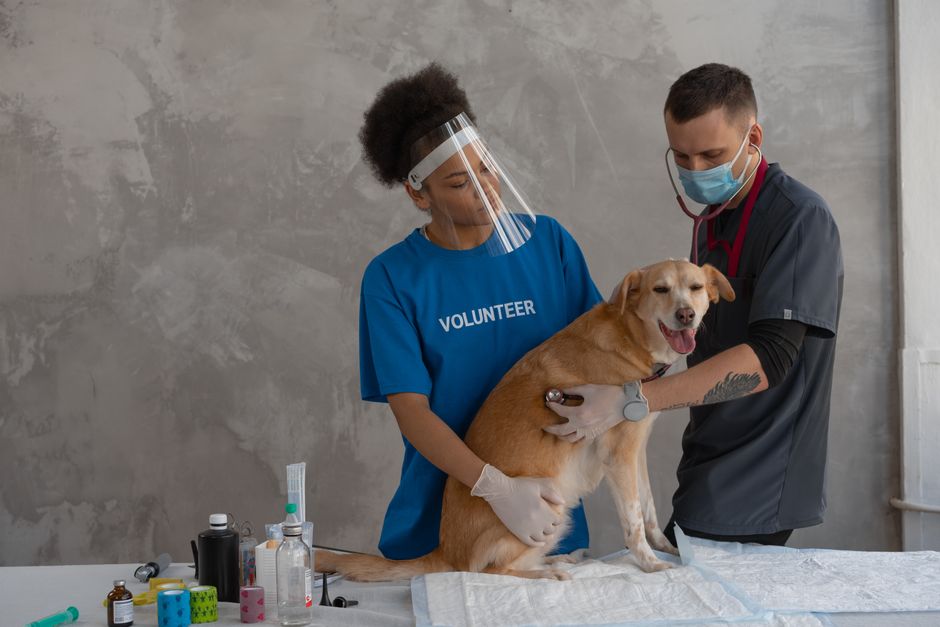
When dental disease is detected, professional intervention from a veterinary team is essential for restoring your pet’s oral health and comfort. At Furwell at Barkingham, our veterinarians recommend comprehensive dental exams as part of your pet’s routine care. During a dental visit, we thoroughly assess your dog or cat’s mouth, looking for signs of gum disease, damaged teeth, oral tumors, and other abnormalities. If dental cleaning is needed, our team will perform a professional scaling and polishing procedure under anesthesia, removing plaque and tartar both above and below the gumline. This process not only improves the appearance of your pet’s teeth but also helps prevent the progression of periodontal disease.
In addition to cleaning, some pets may require pet tooth extractions if teeth are severely damaged or infected. Our veterinary team uses advanced dental radiographs to evaluate the health of tooth roots and surrounding bone, ensuring that any hidden problems are identified early. For more complex cases involving fractured or diseased teeth, dental surgery may be recommended to address deeper oral health concerns. Throughout every step, your pet’s comfort and safety are our top priorities.
Preventing Dental Disease: Home Care for Dogs and Cats
While professional cleanings are the cornerstone of pet dental care, home routines play a vital role in keeping your dog or cat’s mouth healthy between veterinary visits. Brushing your pet’s teeth regularly with a veterinarian-approved toothpaste is the most effective way to remove plaque before it hardens into tartar. If daily brushing isn’t possible, even brushing a few times a week can make a significant difference. Dental chews, specially formulated treats, and dental diets can also help reduce plaque buildup, but these should be used as part of a comprehensive plan rather than a substitute for brushing.
Providing access to safe chew toys for dogs or dental treats for cats can encourage natural cleaning by promoting chewing behaviors that help remove debris from teeth. Always choose products that are designed for your pet’s species and size to avoid accidental tooth fractures. Routine inspections of your pet’s mouth at home can help you spot early signs of trouble, such as red gums or changes in breath odor, so you can address problems before they become severe. Our team is always happy to guide you on the best dental care products and techniques for your pet’s specific needs.
When to Schedule Veterinary Dental Care
It can be difficult for pet owners to know when a trip to the veterinarian is necessary for dental issues. If you notice any of the warning signs described earlier—such as bad breath, difficulty eating, visible tartar, or red gums—it’s time to schedule a dental evaluation. Even if your pet seems to be eating and playing normally, regular dental exams are recommended because dental disease often develops without obvious symptoms. For most dogs and cats, annual dental checkups are ideal, but some pets—especially those at higher risk—may need more frequent visits.
At Furwell at Barkingham, we offer professional pet teeth cleaning that not only addresses existing tartar but also helps prevent future dental issues. Our veterinarians will work with you to develop a personalized dental care plan, including recommendations for at-home care and the appropriate schedule for professional cleanings. Early intervention and ongoing preventive care are the best ways to protect your pet’s smile and overall health.
The Importance of Pet Dental Care in Greenville
Dental care isn’t just about aesthetics; maintaining a healthy mouth can prevent serious complications such as heart, kidney, and liver disease, which have been linked to untreated dental infections in pets. The warm, humid climate in Greenville can also contribute to faster bacterial growth in your pet’s mouth, making regular dental care even more important for local pet owners. By investing in both home care and professional veterinary support, you can help ensure that your dog or cat enjoys a pain-free, happy life filled with healthy smiles.
Our veterinary team is committed to providing the highest standard of pet dental care for families in Greenville and the surrounding communities. We understand that your pet is a beloved member of your household, and we take pride in offering gentle, thorough dental services that prioritize both comfort and long-term health.
Ready to Give Your Pet a Healthier Smile?
Protecting your dog or cat’s dental health is one of the most important gifts you can provide for their overall well-being. If you’re searching for a trusted vet near me who offers comprehensive pet dental care, look no further than Furwell at Barkingham. Whether your pet needs an exam, a cleaning, or more advanced treatment, our veterinary team is here to help every step of the way.
To schedule your pet’s dental checkup or learn more about our veterinary dentistry services for dogs and cats, call us at (864) 458-8500 or visit us at 1240 E Butler Rd, Greenville, SC 29607. Our team is dedicated to keeping your pet’s smile bright, healthy, and pain-free for years to come. Don’t wait until dental problems cause discomfort—reach out today and let us support your pet’s journey to lifelong oral health.